


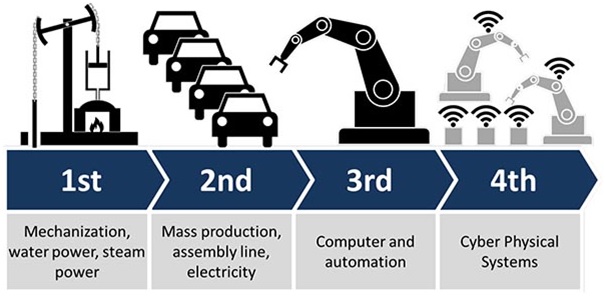
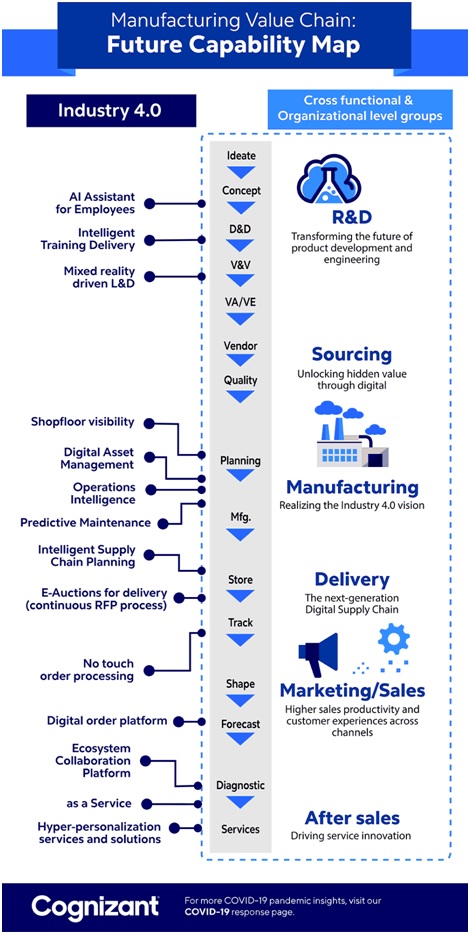
Buzz around automation and its applications for the way industries function emerged only in recent years, when there was large sale acknowledgement of the fact that our world is moving to a more dyanmic future. With the Fourth industrial revolution moving at an exponential pace, the adoption of such practices promised to be nothing short of disruptive. They were going to change the world as we knew it, forever.
At the onset, several companies invested in these technologies, some on a large scale and others on a smaller one. Even then, change was slow to come. Most of these investments remained in pilot pergutory, where the new technology is tested for extended periods of time before its viability is determined. Only if the pilot were to yield positive results, would companies scale up the use of these technologies.
In 2018, McKinsey and Company collaborated with the World Economic Forum to assess the globally situated “production lighthouses”—those sites which showed the most advanced use of these technologies. They found that these innovations were used to increase security by regulating entry into buildings, for faster communication, switching to digital mediums to display metrics, and monitor machinery digitally. Likely points of failure were determined, while production machines were actually allowed to learn from their mistakes.
Though over the course of the past few years, it has been apparent that these innovations will become a vital part of how our businesses function, however, the pace at which this transition would take place remained largely unclear until the COVID’19 crisis.